_edited.png)
10 Residential Areas in Nagpur Developed Without Drainage Planning

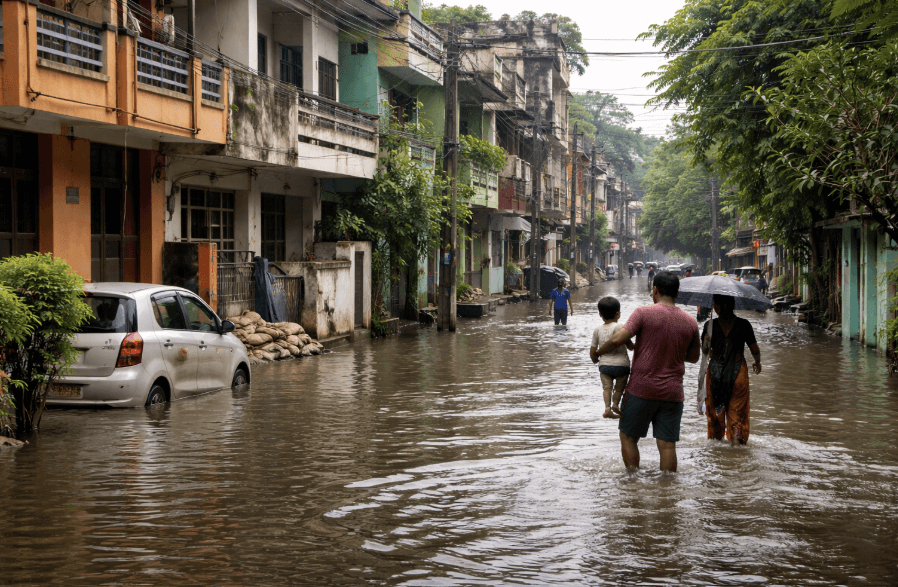
Urban expansion in Nagpur has produced several residential neighbourhoods where housing development progressed before complete drainage systems were installed.
Municipal inspection reports and emergency preparedness assessments have documented localities that repeatedly faced water accumulation due to missing or incomplete stormwater infrastructure. These findings highlight the sequencing gap between layout approvals and supporting civic works in certain parts of the city.
As Nagpur expanded outward, especially in peripheral and newly developing zones, stormwater drainage networks were sometimes introduced only after residents had already moved into the neighbourhoods. Infrastructure surveys conducted over multiple years have identified a set of residential areas where drainage planning either remained incomplete or required later retrofitting.
This documented pattern has been observed in several urban centres across Vidarbha, where peripheral residential growth often preceded infrastructure installation.
1. Narendra Nagar
Narendra Nagar has consistently appeared in official flood-prone locality lists prepared by civic departments. Public works inspections recorded several low-lying residential pockets where stormwater drains were not constructed during early layout development. Seasonal rainfall monitoring showed repeated accumulation of water in residential streets and access roads. Emergency response teams identified the area as requiring pumping arrangements during heavy rainfall events. Infrastructure surveys confirmed that drainage retrofitting works had to be implemented after residential construction had already expanded. Planning reviews linked the issue to layout growth occurring faster than drainage network installation. The locality remains a documented example where housing expansion preceded complete stormwater drainage planning.
2. Sugat Nagar
Sugat Nagar has been identified in municipal engineering assessments as a residential area with drainage infrastructure deficiencies in earlier phases of development. Several low-lying stretches lacked underground stormwater drains, leading to seasonal flooding in internal residential lanes. Field monitoring during monsoon seasons recorded water stagnation affecting residential mobility. Authorities later introduced drainage construction works after repeated flooding complaints from residents. Emergency preparedness documents included Sugat Nagar among areas requiring monitoring during heavy rainfall periods. Infrastructure audits noted that housing layouts were completed before drainage channels were installed. These records confirm that drainage planning did not fully accompany the initial residential expansion in the locality.
3. Shankar Nagar
Shankar Nagar has been cited in civic reviews examining layout planning deficiencies connected to urban flooding. Health and engineering department assessments linked flooding incidents in some parts of the locality to construction decisions made without adequate drainage provisions. Inspection teams documented waterlogging in low-elevation residential pockets during rainfall events. Drainage capacity upgrades were later introduced to handle increased surface runoff resulting from expanded development. Urban planning assessments noted that the original drainage networks were insufficient for the later population density. Retrofitting works were carried out in phases to strengthen runoff management. These findings show that certain sections of Shankar Nagar were developed before comprehensive drainage integration.
4. Ladikar Layout
Ladikar Layout has been included in official lists of low-lying flood-prone residential areas maintained by emergency management authorities. Field inspections recorded repeated water accumulation in internal streets due to incomplete drainage networks. Seasonal rainfall monitoring showed that runoff entered residential zones because stormwater channels were either missing or insufficient. Temporary pumping arrangements were used during heavy rainfall periods to manage excess water. Infrastructure improvement proposals later recommended structural drainage upgrades across affected pockets. The need for such retrofitting reflects the absence of integrated drainage systems during early residential construction. Ladikar Layout, therefore, represents a documented case of development preceding drainage infrastructure planning.
5. Trimurti Nagar
Trimurti Nagar has been recorded in municipal infrastructure surveys as a locality vulnerable to waterlogging due to insufficient drainage capacity. Engineering inspection reports identified specific residential pockets where stormwater drains were absent or incomplete. Seasonal rainfall assessments recorded repeated water accumulation in access roads and residential corridors. Drainage installation works were later undertaken to address runoff management challenges. Civic preparedness lists included the area among locations requiring additional stormwater infrastructure intervention. Planning reviews indicated that layout development expanded beyond the originally planned drainage capacity. These observations demonstrate that early housing expansion in parts of Trimurti Nagar occurred before full drainage planning was implemented.
6. Shanti Niketan Colony
Shanti Niketan Colony has been identified in emergency preparedness records as a flood-sensitive residential locality. Field assessments noted low-lying residential sections where drainage channels were either incomplete or not installed during early development phases. Waterlogging incidents were recorded during multiple rainfall seasons, affecting access roads and internal neighbourhood streets. Civic engineering teams later initiated drainage improvement works to manage runoff accumulation. Infrastructure planning documents highlighted the need for additional stormwater lines in the colony. The installation of drainage systems after residential occupation indicates a planning gap during the initial layout phase. These records confirm the locality’s classification as an area where drainage infrastructure followed residential growth.
7. Zingabai Takli
Zingabai Takli ward has been repeatedly highlighted in civic infrastructure discussions related to waterlogging and drainage deficiencies. Several residential pockets within the ward experienced seasonal flooding due to insufficient stormwater infrastructure coverage. Field inspections documented street-level water pooling during periods of intense rainfall. Municipal drainage improvement plans later included the ward among priority areas requiring additional stormwater channels. Infrastructure proposals recommended expanding drainage coverage to match increasing residential density. Emergency response monitoring also recorded the locality among areas needing rainfall preparedness measures. These conditions show that parts of Zingabai Takli developed without complete drainage infrastructure during earlier phases.
8. Baba Farid Nagar
Baba Farid Nagar, located within the Zingabai Takli ward, has been specifically identified in flood vulnerability assessments. Authorities documented water accumulation in residential streets caused by incomplete drainage coverage. Field inspection reports noted that drainage lines were not fully connected across several sections of the neighbourhood. Seasonal rainfall monitoring showed repeated runoff accumulation in low-lying residential pockets. Infrastructure planning reviews later recommended additional stormwater drains to address these issues. Drainage construction works were introduced after residential settlement had already expanded. These findings indicate that the locality developed before comprehensive drainage systems were installed.
9. Hudkeshwar
Hudkeshwar is a rapidly developing residential zone where several neighbourhoods lacked stormwater drainage infrastructure during expansion phases. Municipal infrastructure reports recorded rainfall water entering residential streets because organised drainage channels were absent in multiple pockets. Engineering inspections identified the need for systematic drainage network construction across the locality. Seasonal flooding complaints prompted authorities to include the area in stormwater infrastructure expansion programmes. Drainage installation projects were implemented gradually as residential density increased. Infrastructure assessments confirmed that housing layouts expanded faster than drainage development. Hudkeshwar, therefore, represents a documented example of residential growth preceding drainage planning in the city and in broader Vidarbha urban expansion patterns.
10. Narsala
Narsala has also been listed among peripheral residential zones where stormwater drains were initially absent in several neighbourhood stretches. Reports documented water accumulation in residential areas during rainfall events due to missing drainage networks. Civic engineering reviews noted the need for systematic drainage construction to manage runoff from surrounding developed zones. Temporary measures were used in certain locations before permanent drainage lines were installed. Infrastructure expansion followed increasing residential settlement across the locality. Municipal stormwater planning initiatives later included Narsala in drainage improvement programmes. These findings confirm that residential expansion in the area occurred before comprehensive drainage planning, a pattern also observed in developing zones across Vidarbha.
Drainage Planning and Urban Expansion Patterns
Infrastructure assessments across Nagpur indicate that drainage networks in several residential layouts were installed after housing development had already taken place. Layout approvals and private housing construction often progressed more rapidly than civic infrastructure execution in peripheral zones.
As a result, several neighbourhoods required drainage retrofitting projects to address water accumulation and flooding risks. Municipal stormwater improvement programmes introduced later were designed to close these infrastructure gaps.
Flood-risk mapping exercises continue to identify low-lying residential pockets needing drainage upgrades.
Engineering reviews have also highlighted the importance of synchronising layout approvals with drainage infrastructure planning to prevent recurring waterlogging issues. These observations demonstrate how sequencing differences between development and infrastructure installation influenced drainage challenges in parts of the city and in expanding urban regions of Vidarbha.
Urban infrastructure records provide consistent evidence that several residential areas in Nagpur expanded before comprehensive drainage systems were installed.
Civic inspection reports, engineering assessments, and flood monitoring exercises collectively identify these neighbourhoods as locations where drainage networks were introduced later through retrofitting works. The documentation reflects the development pattern of rapidly growing urban zones where residential layouts were established ahead of full civic infrastructure provision.
FAQs
Q. Which residential areas in Nagpur lack proper stormwater drainage systems?
A. Localities such as Narendra Nagar, Sugat Nagar, Hudkeshwar, Narsala, and parts of Trimurti Nagar have been documented in civic reports as areas where drainage systems were incomplete or absent during early development.
Q. Why were some Nagpur layouts built without drainage planning?
A.Rapid residential expansion in peripheral areas often occurred before stormwater drainage infrastructure was installed, leading to later retrofitting projects.
Q. Are drainage upgrades being implemented in Nagpur residential flood-prone areas?
A. Municipal stormwater infrastructure programmes have introduced drainage construction and retrofitting works in multiple neighbourhoods identified as vulnerable to waterlogging.


Comments